
Введение:
Строительная техника работает в суровых условиях — экстремальные температуры, высокие нагрузки, абразивная пыль и гидравлические системы высокого давления. Надежное уплотнение имеет решающее значение для предотвращения утечки жидкости, попадания загрязнений и преждевременного выхода компонентов из строя. Понимание различных типов уплотнений, используемых в экскаваторах, бульдозерах, погрузчиках и кранах, помогает инженерам и обслуживающему персоналу выбрать правильное решение для каждого применения.
1. Уплотнительные кольца:
Уплотнительные кольца являются наиболее распространенными и универсальными уплотнениями в строительной технике. Изготовленные из эластомеров, таких как нитрилбутадиеновый каучук (NBR), фторуглерод (FKM) или полиуретан, они обеспечивают статическое или динамическое уплотнение в гидравлических фитингах, корпусах клапанов и торцевых крышках цилиндров. Их круглое поперечное сечение деформируется под давлением, заполняя полость сальника. Для динамических штоковых или поршневых применений часто добавляются опорные кольца для предотвращения экструзии при высоком давлении.
2. Уплотнения гидравлических штоков и поршней:
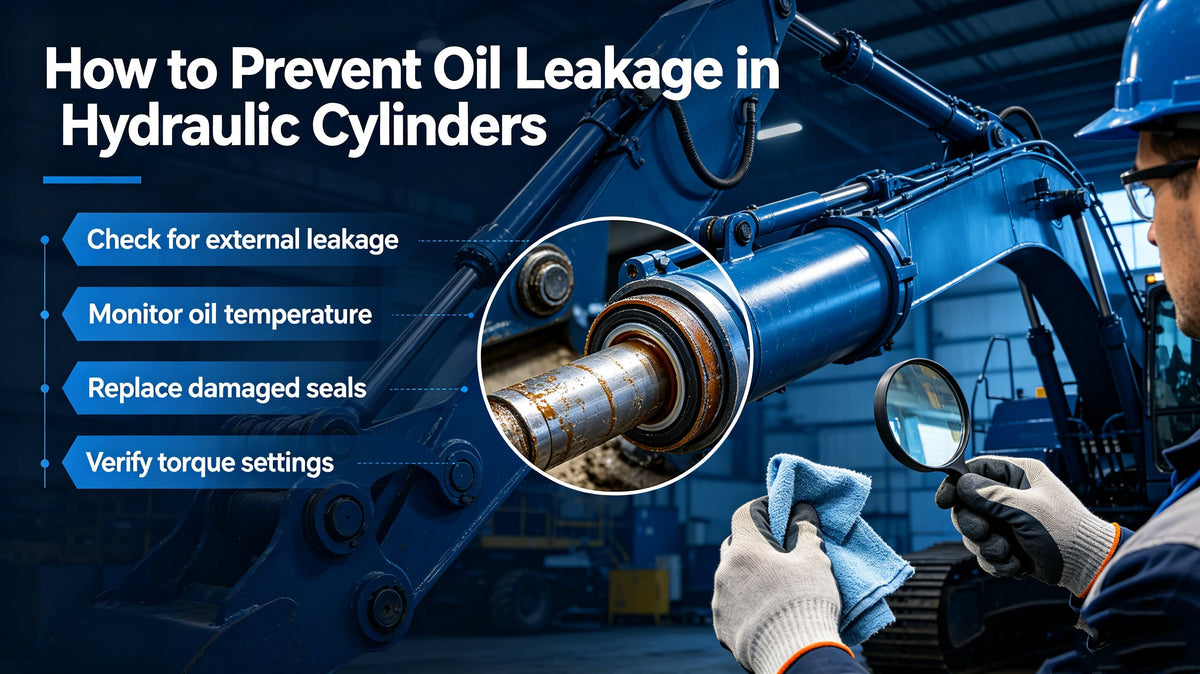
Гидравлические цилиндры — это «мускулы» строительной техники. Уплотнения штока (также называемые сальниками) предотвращают утечку масла из цилиндра по возвратно-поступательному штоку. Поршневые уплотнения препятствуют прохождению жидкости между поршнем и отверстием цилиндра. Распространенные конструкции включают:
· U-образные уплотнения — Асимметричная форма кромки, которая активируется под давлением; широко используются как для штоков, так и для поршней.
· Ступенчатые уплотнения — Композитные уплотнения (ПТФЭ + эластомерный активатор), обеспечивающие низкое трение и высокую способность выдерживать давление (до 500 бар).
· Буферизованные уплотнения — Устанавливаются перед основным штоковым уплотнением для поглощения скачков давления и уменьшения износа.
3. Пыльники (скребковые уплотнения):
Пыльники устанавливаются на внешнем отверстии цилиндра. Их функция заключается в удалении грязи, льда, песка или ржавчины с поверхности штока до того, как они попадут в гидравлическую систему. Поврежденный пыльник приводит к быстрому выходу из строя уплотнения и цилиндра. Распространенные типы включают стандартные пыльники с кромкой, усиленные пыльники с металлическим корпусом и двухкромковые конструкции, которые также удерживают тонкую внутреннюю масляную пленку.
4. Радиальные уплотнения вала (сальники):
Используются там, где вращающиеся валы выходят из корпусов — например, валы насосов, редукторов и конечных приводов. Типичный сальник имеет металлический наружный корпус, эластомерную кромку и пружину для поддержания контакта кромки с валом. Для строительной техники используются сверхпрочные версии с кромками из ПТФЭ (политетрафторэтилена), которые выдерживают более высокие скорости, нагрузки от грязи и экстремальные температуры.
5. Фланцевые прокладки и металлические уплотнения:
Фланцевые соединения в блоках двигателей, гидравлических коллекторах и системах охлаждения требуют прокладок. Распространенные материалы включают прессованное безасбестовое волокно, металл с покрытием, пробку, связанную резиной, и цельный металл (медь или сталь). Для высокотемпературных или высоконапорных гидравлических фланцев конические металлические уплотнения или фланцы с канавкой для уплотнительного кольца обеспечивают герметичные соединения без проблем с сжатием прокладок.
6. Механические торцевые уплотнения (уплотнения Trio):
Также известные как сверхпрочные торцевые уплотнения или уплотнения Duo-Cone, они используются в конечных передачах, опорных катках, направляющих колесах и опорно-поворотных устройствах. Они состоят из двух сопряженных металлических колец (закаленная сталь или чугун) с резиновыми уплотнительными кольцами, которые их активируют. Металлические поверхности вращаются друг относительно друга с тонкой масляной пленкой, эффективно предотвращая попадание грязи, воды и песка, одновременно удерживая смазку. Их исключительная долговечность делает их незаменимыми для применения в ходовой части.
7. V-образные кольца (аксиальные торцевые уплотнения):